

Knowledge center
Discover our latest news, customer cases and publications.
 Customer cases
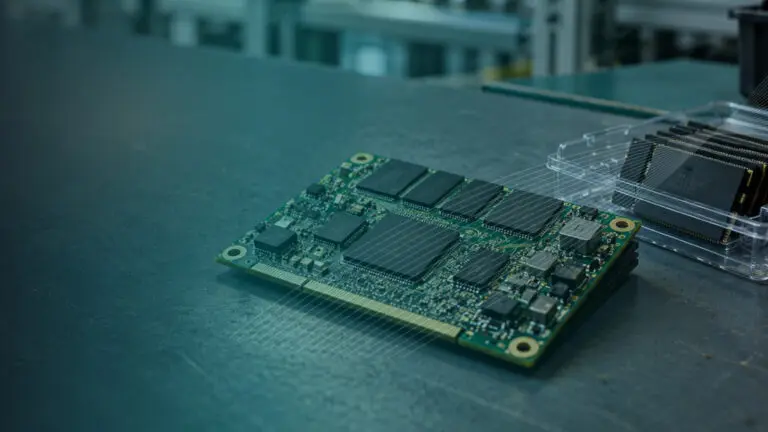
Use Case: Securing two years of production in a memory shortage
A modern patient monitor is connected to the hospital network, displays complex data in real time and has a USB port for exporting measurements. Every one of those features adds value to the product — and every one adds an...
 Customer cases
Use Case: Secure Patient Monitor on i.MX 8M Plus
A modern patient monitor is connected to the hospital network, displays complex data in real time and has a USB port for exporting measurements. Every one of those features adds value to the product — and every one adds an...
 News
News
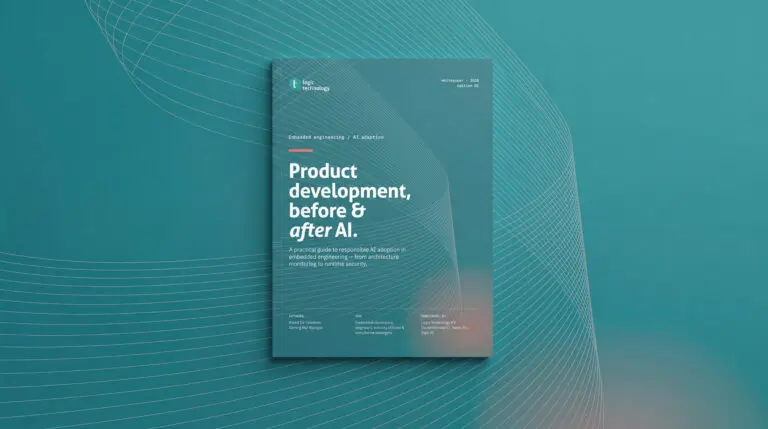
New Whitepaper: Product Development Before and After AI
Logic Technology partners with Exein to deliver cutting-edge embedded IoT cybersecurity solutions. Secure your devices with real-time threat protection and vulnerability analysis. Learn more about Exein Runtime and Exein Analyzer.
 News
News
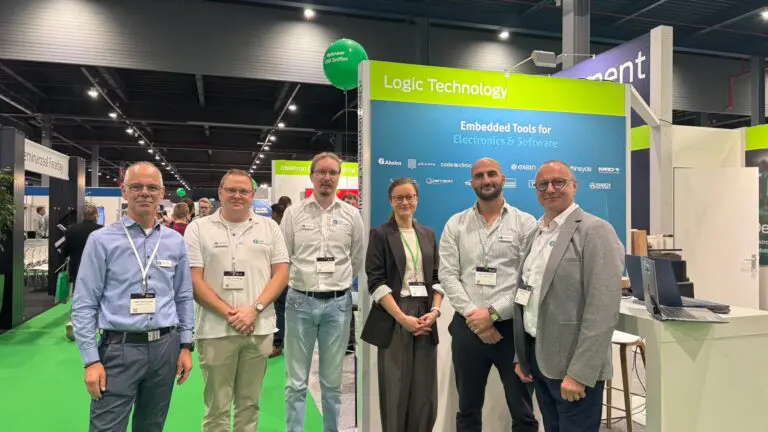
Press-release: Logic Technology announces new partnership with ARIANNA Team
Logic Technology partners with Exein to deliver cutting-edge embedded IoT cybersecurity solutions. Secure your devices with real-time threat protection and vulnerability analysis. Learn more about Exein Runtime and Exein Analyzer.
 News
News
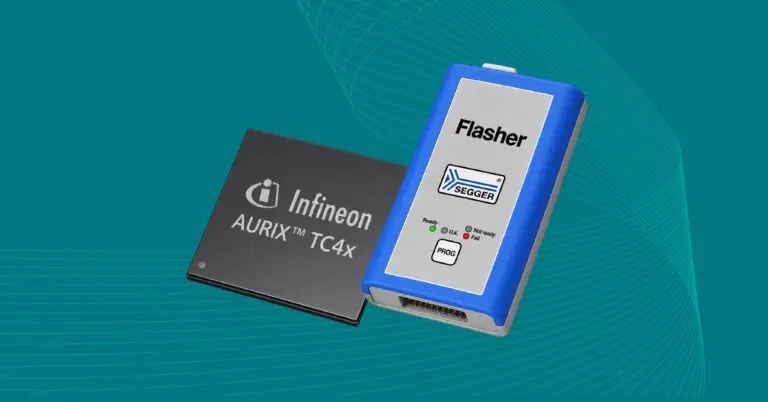
NEW – SEGGER Flasher brings high-speed programming to Infineon AURIX TC4x
Discover how SEGGER Flashers enable fast, reliable, and efficient programming of Infineon AURIX TC4x microcontrollers. Designed for professional production environments, these programming solutions help accelerate flashing processes while supporting dependable embedded development and manufacturing workflows.
 Knowledge
Our partner Insyde® Software Qualifies Firmware for Arm AGI CPU Platforms
InsydeH2O UEFI firmware is now qualified for Arm AGI CPU platforms, providing a proven firmware foundation for secure, manageable AI infrastructure.